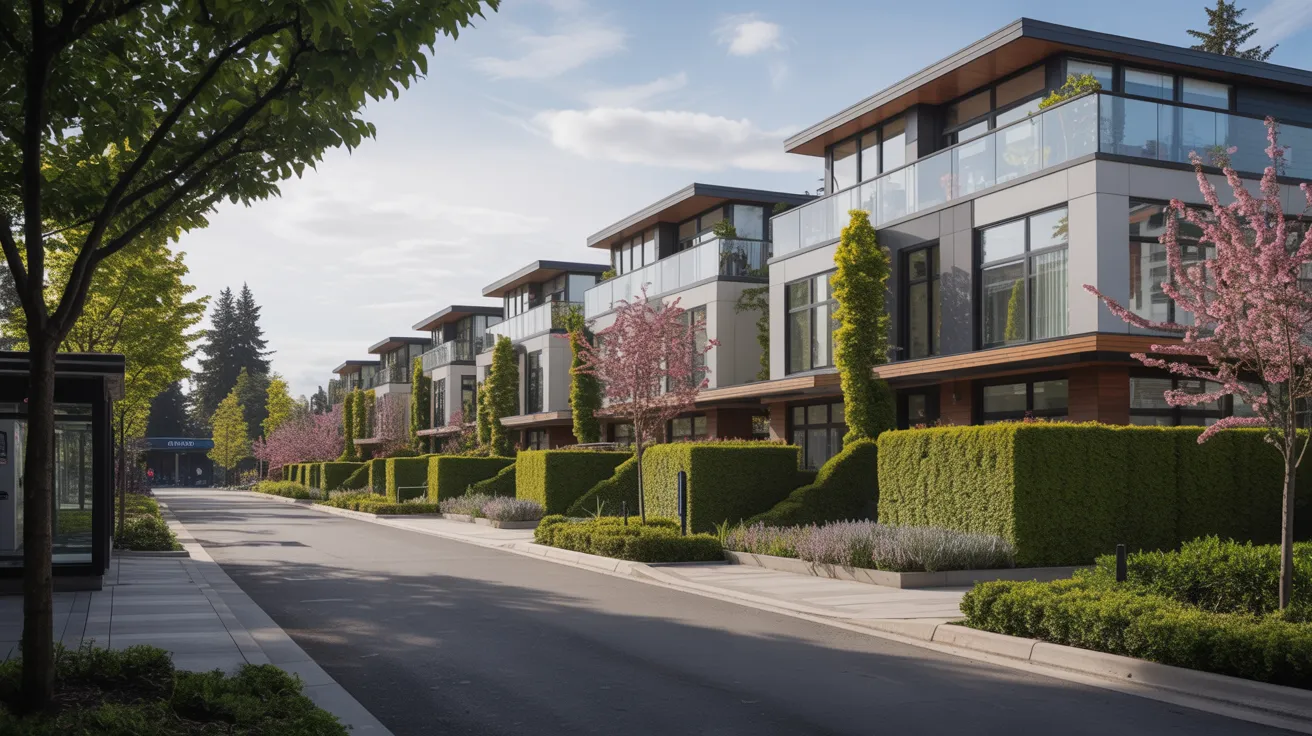
When you pick a Vancouver home builder providing contemporary, move-in ready homes, you'll save time and reduce uncertainty. You can view the final layout, assess build quality directly, and move in on a reliable timeline. Look for builders offering proven local experience, transparent contracts, lasting finishes, and energy-efficient features like heat pumps, better insulation, and smart controls. Move-in ready options often appear in East Vancouver, Mount Pleasant, Cambie, and nearby transit-oriented communities, with key details just ahead.
Key Takeaways
- Move-in ready homes let Vancouver buyers avoid construction delays and move in quickly with completed, inspected spaces.
- East Vancouver, Mount Pleasant, Cambie, and Kitsilano often feature boutique townhomes, duplexes, and infill move-in ready homes.
- Reputable Vancouver builders offer proven quality, transparent contracts, clear timelines, licensing, insurance, and solid warranty coverage.
- Efficient layouts, quality finishes, natural light, built-in storage, and durable materials should be featured in modern move-in ready homes.
- Focus on builders delivering energy-efficient homes with airtight envelopes, high-performance windows, effective HVAC, and smart home integration.
Why Opt for a Turnkey Home in Vancouver?
When you choose a move-in ready home in Vancouver, you sidestep the waiting periods, unpredictability, and extra coordination that often result from building from the beginning. You can evaluate the completed layout, materials, lighting, and storage firsthand, so your decision feels well-thought-out and practical. Prompt occupancy also helps you match your move with work, school, or real estate timelines.
In Vancouver, that speed combines well with downtown convenience. You can get a home near transit, shopping, dining, and important services without waiting through construction schedules or permit-related delays. You also eliminate the pressure of managing numerous decisions after purchase, because the home is done, inspected, and ready for daily living. If you favor efficiency, predictability, and a high-quality result, a move-in ready home gives you confidence from day one.
Comparing Vancouver Home Builders: How Do They Differ?
Vancouver home builders vary significantly in a environment where scheduling, quality, and area all are significant. You'll identify clear differences in timelines, quality benchmarks, and district proximity. Several builders focus on infill properties close to public transportation and schools, though others prioritize bigger suburban projects with accelerated completion schedules.
Another essential element is how effectively each builder handles development permits and adapts to regional regulations. In Vancouver, permit processes can push back possession, ensuring efficient management critical. Builders with strong municipal knowledge often drive projects along with minimal disruptions and more consistent predictability.
Material quality, energy efficiency performance, and final consistency constitute important elements that separate one builder from another. By examining builders across these practical elements, you acquire a clearer understanding of which builders produce move-in ready homes that align with your timing, investment limits, and future expectations.
What Should You Look for in a Builder?
Because a ready-to-occupy home still represents years of planning and execution, you should search for a builder with a established record in construction quality, clear communication, and dependable delivery timelines.
You should also verify licensed credentials, insurance, and local experience, since regulatory knowledge influences approvals, inspections, and overall accountability.
Ask for references from recent buyers and observe whether the builder responds promptly, documents decisions, and handles issues without delay.
Reputable builders explain contracts clearly, detail expenses in detail, and stand behind their work with comprehensive warranty coverage.
When you choose a builder who communicates clearly and delivers dependably, you minimize risk and build confidence in your purchase.
Which Features Matter Most in Modern Homes?
As you review a modern home, focus on features that improve day-to-day comfort, efficiency, and enduring value.
Smart home integration for seamless control, efficient design to reduce utility costs, and adaptable living spaces that adjust as your needs change are important.
Prioritizing these factors helps you choose a ready-to-occupy home that performs well today and serves your lifestyle tomorrow.
Smart Home Technology
Smart home technology has transitioned from a premium addition to a useful component that improves comfort, safety, and energy efficiency in modern homes. When you select a move-in ready property, you should anticipate systems that simplify daily routines without adding complexity. Voice control lets you modify lighting, control entertainment, and check connected devices quickly, giving you convenience that feels seamless rather than technical.
Automated security remains essential just as much. You can monitor entry points, receive real-time updates, and manage locks or cameras from your mobile device whether you're home or away. The best setups also unify control through intuitive apps, so you won't manage multiple platforms. If your builder emphasizes reliable connectivity, intuitive interfaces, and scalable technology, your home remains adaptable, protected, and compatible with how you live today and tomorrow.
Energy Smart Design
Outside appearance may be the opening hook, but energy-efficient design supplies the lasting benefit that really counts in a current move-in ready property. High-performance insulation, well-sealed construction, and premium windows offer benefits by reducing heat loss, stabilizing indoor temperatures, and decreasing monthly utility costs annually.
Passive solar orientation is another feature to seek out, as it captures daylight and winter warmth without boosting energy demand. High-quality glazing and properly positioned overhangs function to prevent overheating in warm months. Structural materials with high thermal mass, for example concrete or stone, store heat and emit gradually it, which improves comfort and efficiency. Heat recovery ventilation, optimized HVAC systems, and ENERGY STAR appliances complete the setup. When your builder focuses on these features, you get a home that works better, runs less to operate, and supports lasting resale value.
Adaptable Living Spaces
In contemporary move-in ready homes, flexible living spaces have emerged as one of the most valuable features as ways of living evolve. You need areas that serve you more effectively, adapting seamlessly to home offices, family time, guests, details and changing needs without expensive renovations.
A home with flexible layouts delivers you real versatility and stronger long-term value when you choose it. Flexible partitions enable you create privacy when needed, then clear spaces for entertaining. Multi-purpose rooms give you the liberty to use one area as an office, gym, or guest suite. Convertible furniture adds efficiency, especially in city homes where every square foot counts. These design choices help you remain organized, optimize usability, and adjust confidently to changing routines. In Vancouver, smart flexibility makes certain your home remains comfortable, efficient, and relevant over time.
How Do Builders Maximize Space in Vancouver?
In Vancouver, builders make every square foot count by focusing on efficient layouts, multi-functional spaces, and lot-specific design strategies from the beginning. Compact layouts help you by reducing wasted hallways, improving sightlines, and making daily movement feel effortless. Rooms are also planned around how you really live, so dining areas, kitchens, and gathering spaces work harder without feeling crowded.
Height and width are both enhanced by adding vertical storage, taller cabinetry, integrated shelving, and stair-incorporated solutions. They position windows, entries, and staircases on narrower lots to enhance views and bring in more natural light, making interiors feel bigger. You'll also see intelligent zoning, adaptable nooks, and precisely sized furniture footprints that support comfort without excess. The result is a home that feels streamlined, open, and very livable year-round.
Which Finishes Are Included As Standard?
Your Vancouver property's standard finishes will define how complete it feels from day one. Knowing precisely what's covered is crucial, since finishes affect both quality of life and future value.
You can typically find quality flooring, quartz or stone countertops, tile backsplashes, smooth-closing cabinetry, and coordinated paint palettes in most new homes. Stainless appliances and standard fixtures are usually provided in kitchens, chosen for unified style and reliable performance. Bathrooms usually include framed mirrors, quality vanities, and glass or tile shower surrounds that look finished without demanding further upgrades. You'll want to assess trim details, interior door styles, hardware, and lighting, as these elements define the finished look. A trusted builder will clearly specify what's included, describe upgrade options, and verify warranty coverage, allowing you to move in with confidence.
Energy Efficiency of New Vancouver Homes
New Vancouver homes typically show significantly enhanced energy performance compared to older housing stock, thanks to builders now adhering to enhanced code requirements and employing tighter building envelopes, superior windows, upgraded insulation, and better-sealed ducting. That means you'll typically enjoy steadier indoor temperatures, lower utility bills, and less draftiness throughout the year.
You enjoy the perks of advanced ventilation, energy-efficient heat pumps, LED lighting, and smart thermostats that reduce wasted energy while keeping comfort. Several builders now evaluate airtightness and mechanical performance during construction, offering you more predictable long-term operating costs. Ask about net zero potential, solar readiness, and low-emission materials if sustainability is important to you. A home's environmental impact includes both daily energy use and the materials used to build it, so it's worthwhile reviewing embodied carbon. These details support stronger resale appeal too.
Where Are Move-In Ready Homes On the Market Now?
Construction companies in sought-after Vancouver neighborhoods are offering ready-to-occupy homes with fully constructed inventory, up-to-date layouts, energy-saving features, and expedited closing timelines. Surrounding metro communities present new developments that often provide increased value, commuter accessibility, and more lot or design choices. Assessing present availability in both areas enables you to pinpoint the location that best aligns with your budget, lifestyle, and settlement schedule.
Vancouver Areas Today
The best move-in ready options in Vancouver frequently concentrate in a few dynamic neighborhoods where home builders are completing ready or near-completion homes now, because supply shifts swiftly. The most robust options is usually found in East Vancouver, Mount Pleasant, Cambie, and portions of Kitsilano, where smaller-lot infill, duplex developments, and boutique townhomes still be released.
If you're monitoring worth and timing, monitor Kitsilano patterns for new multiplex inventory and upgraded finish packages that suit end users. Exciting possibilities are being generated in Mount Pleasant and along major corridors through Commercial redevelopment and integrated projects with limited residential releases. If you want transit access and premium new construction adjacent to parks, schools, and shopping, Cambie remains attractive. You can move more rapidly when the right home becomes ready by prioritizing these communities.
Nearby Metro Areas
While Vancouver itself attracts much of the attention, several surrounding Metro communities often offer a more diverse mix of ready to occupy homes and more prompt availability. Explore Burnaby, Coquitlam, New Westminster, Richmond, and Surrey closely if you're expanding your search for today.
Transit-connected neighbourhoods found near SkyTrain stations, town centres, and major transit routes often present newer inventory. If you seek city convenience, Burnaby and New Westminster work well, while Coquitlam and Surrey deliver more space and family-oriented amenities. For quality schools, shopping, and fast airport access, Richmond distinguishes itself. These communities also promote sustained livability through parks, recreational facilities, and numerous community events. Searching beyond Vancouver's core permits you to review more homes, act more quickly, and get a current property matching your timeframe and priorities today.
What Budget Should You Set Aside for a Move-In Ready Home?
When budgeting for a move-in ready home in Vancouver, commence with the buying price and layer in settlement fees, municipal taxes, insurance, connection costs, and furniture expenses. Most purchasers consider only about the financing, but full upfront money is comparably critical for a hassle-free move. Don't miss down payment, valuation, inspections, bank fees, title charges, and a cushion for immediate costs.
Further costs to account for are homeowners association dues, outdoor upkeep, window treatments, home appliances not part of the sale, and modest customization after closing. Even a turnkey home may call for upgraded lighting, shelving, or safety systems. A well-planned financial plan maintains your cash flow, avoids unforeseen expenses, and allows a smooth move-in. Comprehensive planning makes your new home easy, pleasant, and financially stable from the first day.
How to Choose the Right Vancouver Home Builder?
Choosing a Vancouver home builder begins with assessing the company's background and performance in building turnkey homes. You should also assess construction quality and build quality, as these elements directly affect enduring value, comfort, and maintenance. Also, verify the builder delivers straightforward pricing and a realistic timeline for secure progress with minimal setbacks.
The Value of Builder Background
Experience creates the foundation of confidence. As you compare Vancouver builders, see past promotional materials and focus on proven experience. An seasoned builder has handled project timelines, permits, trades, and inspections across shifting market conditions, which helps you avoid expensive postponements and uncertainty.
Client testimonials should be examined to learn how reliably the builder stays in touch, solves problems, and honors commitments. Project variety is important too. A builder who has built laneway homes, custom residences, duplexes, and move-in ready properties brings broader insight to design and execution. That variety shows adaptability and applied knowledge, not just repetition. Ask how long the company has functioned locally and how many homes it has built. The right background delivers greater confidence, smoother coordination, and a more consistent building process from start to finish.
Build Quality And Design Standards
Since build quality affects living satisfaction and lasting investment value, it's essential to assess both the home's visual appeal and the principles behind its construction. Look for unified layouts, good natural light, optimized storage, and finishes that support your lifestyle without compromising function. A reputable builder combines current aesthetics with practical planning, so every room feels well-planned, relaxing, and simple to upkeep.
You should also review material quality and the builder's craftsmanship standards. Check cabinetry, trim, flooring, window installation, and structural details for uniformity and precision. Ask how products are selected, tested, and installed, and whether the builder follows proven construction practices. When design quality meets reliable execution, you gain a turnkey home that not only appears stunning but also operates effectively, wears well, and protects your investment.
Pricing And Timeline
While attractive finishes count, cost and schedule often dictate whether a ready-to-occupy home truly suits your goals. You ought to compare more than the advertised base cost. Ask each Vancouver home builder for a thorough breakdown that covers upgrades, appliance packages, landscaping, warranty terms, and anticipated closing costs, so you can evaluate the full investment accurately.
You'll also want straightforward pricing timelines. A trustworthy builder explains deposit schedules, rate-lock options, construction milestones, occupancy dates, and any factors that could influence possession. When timelines are straightforward, you can arrange financing, your present home sale, and moving plans with fewer surprises. Builders who address direct questions, document commitments, and communicate changes swiftly help you safeguard your budget and move forward with more confidence. That level of clarity matters.
Commonly Asked Questions
Are Ready-Built Homes Open to Customization After Purchase?
Yes, you can typically customize a ready-built home after purchase, though options depend on builder guidelines, warranties, and municipal regulations. You'll often have options with post-purchase upgrades like light fixtures, storage, fixtures, and intelligent home features. You can also implement decor personalization through paint, window dressings, and furnishings. Before making changes, review your sales contract and warranty terms so you protect coverage and plan enhancements efficiently.
Do Warranty Transfer Fees Exist for Resale Within the First Year?
Commonly, over 80% of builder warranties are transferable, but you may incur a fee if you transfer the property within the first year. You should inspect your warranty relocation terms closely, as builders and issuers sometimes assess transfer charges or enforce transfer limitations. If you intend to sell soon, check the detailed fee schedule ahead of time. That step preserves your resale value and helps you prevent surprises that could hold up closing or obstruct negotiations.
How Long Is the Average Possession and Closing Process?
The possession and settlement process typically takes 30 to 60 days, with your specific timeline determined by financing, home inspections, and how fast documentation is completed. Hastening the process entails verifying financing approval upfront, promptly reviewing disclosure documents, and quickly finishing your settlement checklist. The closing can be postponed a bit if issues arise during appraisal or title verification. Keeping preparedness and prompt responses ensures you reach possession on time and minimize preventable problems.
Can Long-Distance Buyers Get Virtual Tours from Builders?
Many builders make available virtual tours for out-of-town buyers, greatly improving your home search process. Through Interactive walkthroughs, you can view home designs, finishes, and layouts while getting a realistic sense of the space. You can inquire, examine options, and talk about future steps in real time through live video consultations that many builders make available. This approach helps you assess homes assuredly without being required to travel initially.
What Maintenance Must a Homeowner Perform During the First Year?
Throughout the first year, you'll perform vital yet basic maintenance to maintain your home's efficiency. Complete seasonal assessments, update HVAC filters, check smoke and CO detectors, inspect caulking, and look for settlement cracks. You should also check drainage, examine gutters, and schedule appliance calibration if advised. Document detailed records and file warranty items quickly. Being proactive allows you spot tiny issues early, preserve efficiency, and maintain ongoing durability and value.
Conclusion
Selecting a Vancouver home builder for a new move-in ready home involves assessing quality, design, efficiency, and location with a sharp eye. When you focus on proven craftsmanship and functional features, you don't just purchase a house—you enter a space designed to support your life forward. Let your selection be the compass, and you'll locate a home that fits like a fitted suit: polished, purposeful, and ready the second you are.